by Ramesh Karki | May 31, 2026 | World Bee Journal
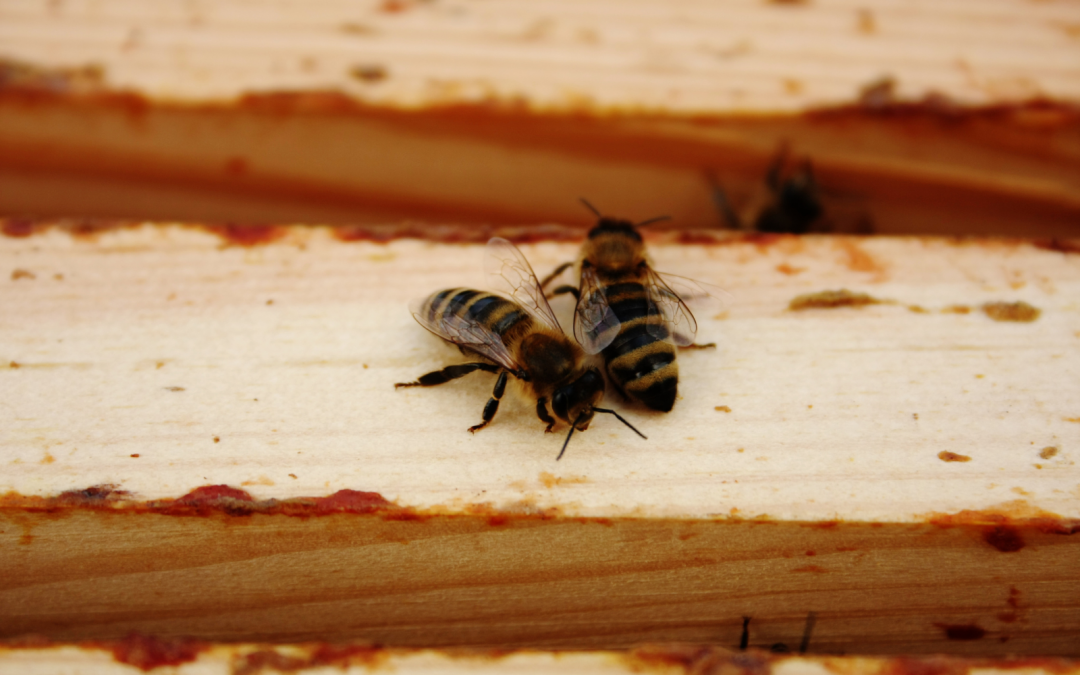
Bees have a fairly weak immune system, so they have to rely on behavioural changes to try to defeat viruses. This involves changes in social activity, so scientists decided to monitor the effect. First, they infected about 100 “volunteer” bees with the highly deadly...
by Ramesh Karki | May 3, 2026 | World Bee Journal
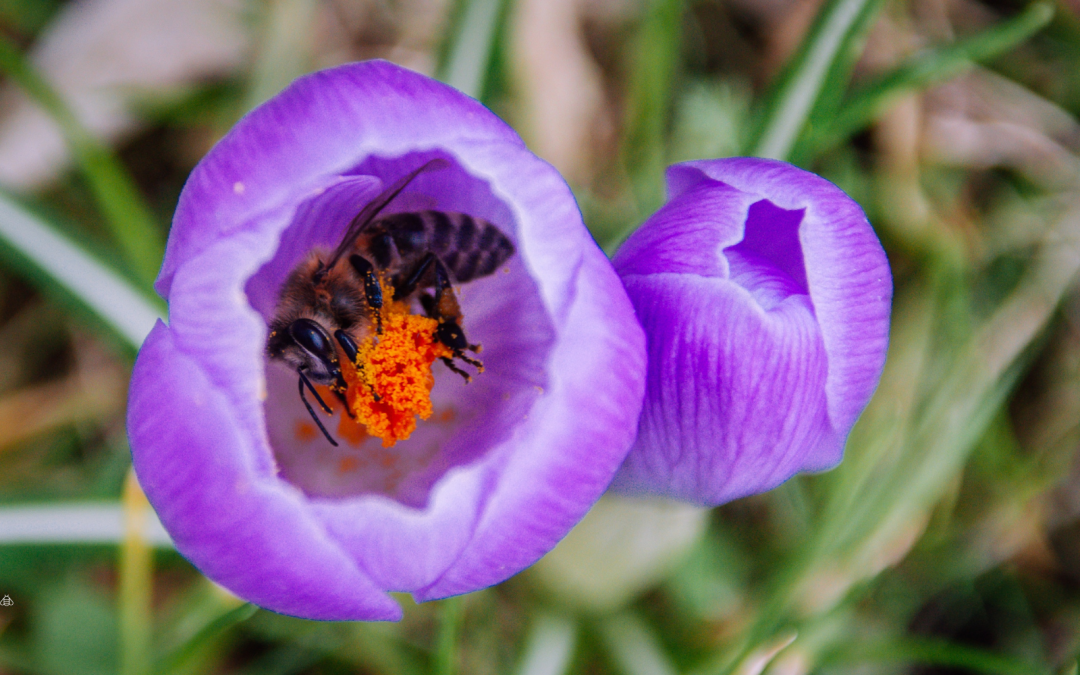
Bees don’t have eyelids, so it’s not that easy to tell whether bees are asleep or not. However, their antennae stop moving and they rest their heads on the floor, and in some cases, fall over sideways, so they do definitely sleep. Bees often hold each...
by Ramesh Karki | Apr 3, 2026 | World Bee Journal
2 APRIL 2026 The future of farming may depend not just on genetics or technology, but on helping plants remember how to survive. For more than 500 million years, plants have shaped life on Earth. They fill our atmosphere with oxygen, anchor our ecosystems, and feed...

by Ramesh Karki | Mar 29, 2026 | World Bee Journal
People often assume that the queen bee is the boss of a beehive, but it turns out that many of the decisions are actually made by worker bees. For example, when the queen lays eggs, she can decide the gender of each egg. If she lays an egg containing genetic material...
by Ramesh Karki | Mar 5, 2026 | World Bee Journal
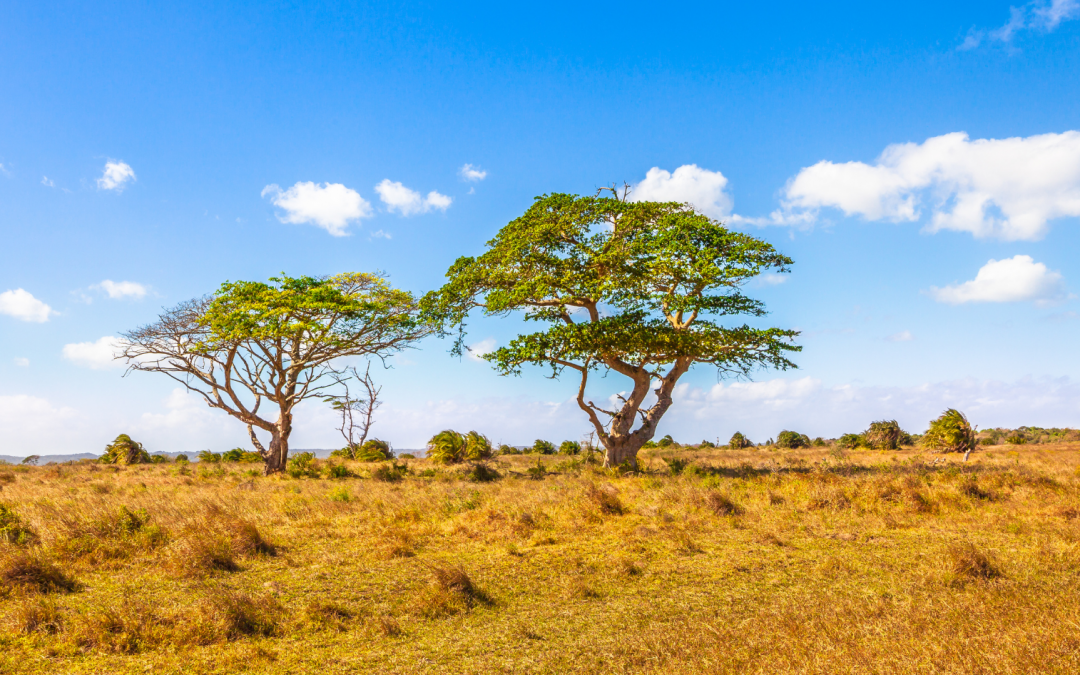
5 MARCH 2026 Planting trees in the wrong places may fail, or worse, undermine valuable ecosystems. An effective climate strategy isn’t about planting more trees everywhere. It’s about planting the right trees in the right ecosystems – while accelerating...
by Ramesh Karki | Mar 1, 2026 | World Bee Journal
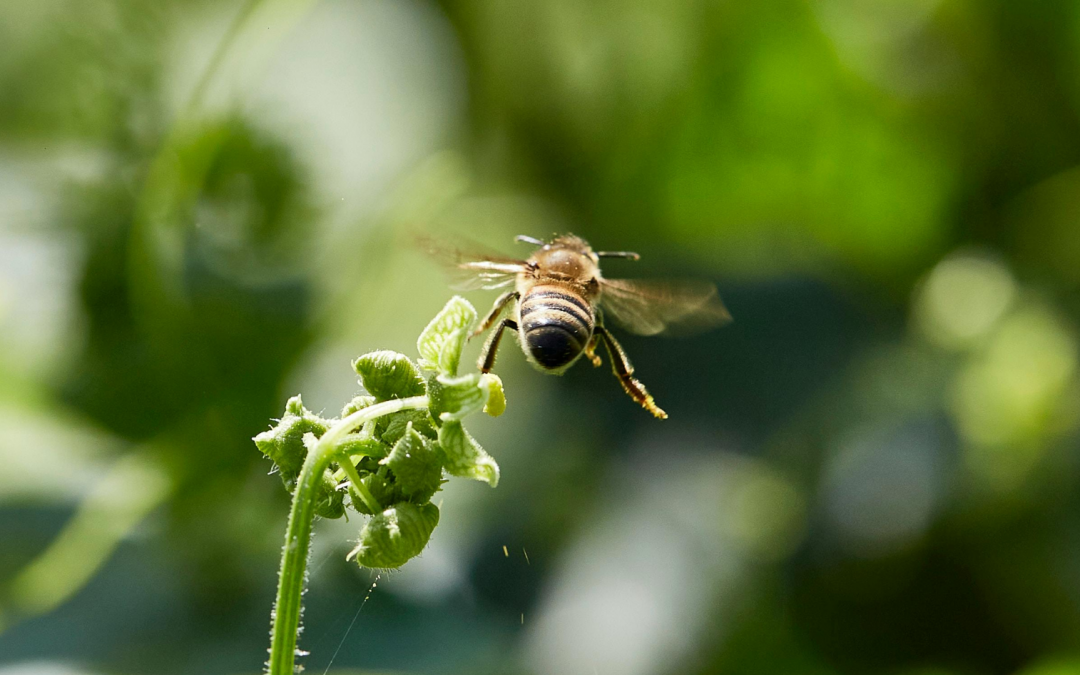
In the 1930’s, a French scientist declared that it should be impossible for bees to fly and for many years, scientists struggled to explain the physics behind how bees are able to generate enough lift to get off the ground. But it turns out that rather than flapping...
