
5 MARCH 2026
Planting trees in the wrong places may fail, or worse, undermine valuable ecosystems. An effective climate strategy isn’t about planting more trees everywhere. It’s about planting the right trees in the right ecosystems – while accelerating decarbonisation.
Planting trees has long been championed as a powerful, natural way to fight climate change. Forests absorb carbon dioxide, restore ecosystems, and support pollinators, people and the planet. But a major new study published in Science suggests we may have dramatically overestimated just how much tree planting can help.
The Bonn Challenge network has persuaded developing countries to commit millions of hectares of land to tree planting projects and raised massive funding from international donors. However, more recently, researchers are re-examining the global potential for afforestation (creating new forests) and reforestation (restoring cleared ones) from a new perspective.
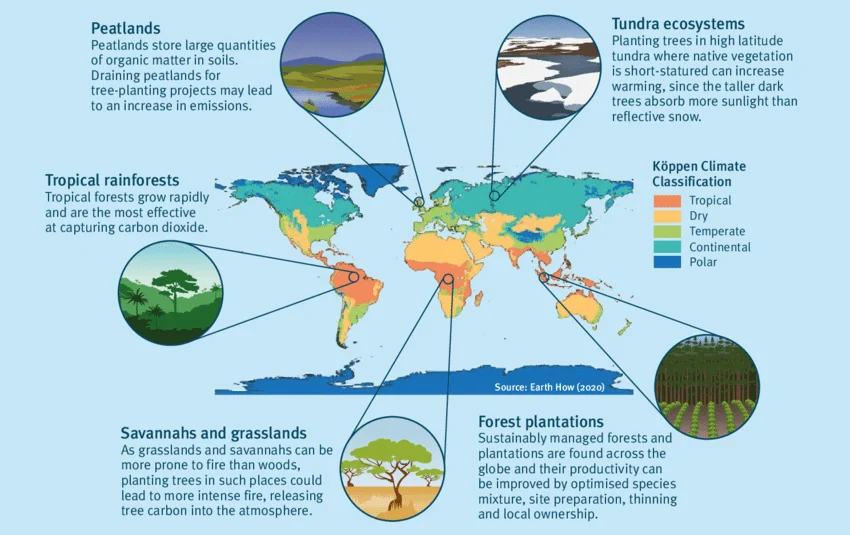
In Africa, governments have pledged around 70 million hectares for tree planting in ecosystems such as savannah and grasslands that are not naturally forested and are often unsuitable for sustaining trees. In some cases, commitments far exceed what climate and soil conditions can realistically support.
Unlike earlier studies, a new study carefully excludes land that could cause ecological harm or where forests are unlikely to thrive. Previous estimates suggested anywhere between 200 million and 2,000 million hectares of land could support new forests. After applying stricter ecological criteria, the study finds that only 389 million hectares worldwide are actually suitable. That’s a significant reduction. And even if all of that land were successfully planted, forests would only absorb about 40 billion tonnes of carbon by 2050 – far lower than earlier projections. In reality, only about 120 million hectares are currently earmarked for planting. That would absorb roughly 12.5 billion tonnes of carbon by mid-century – just a little more than a single year of global fossil fuel emissions.
Tree planting isn’t automatically beneficial everywhere. In snowy regions, trees darken the land surface, reducing reflectivity and potentially increasing warming; forests can compete with savannah grasslands for water, and converting savannah into forests can damage unique ecosystems and biodiversity.
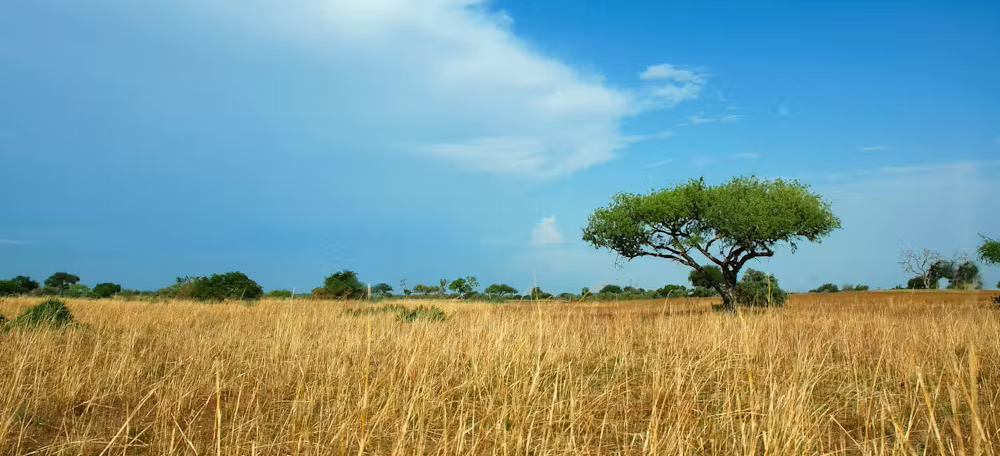
Planting trees in the wrong places may fail, or worse, undermine valuable ecosystems.
The study highlights that planting trees makes the most difference in wet tropical regions, where they grow quickly and store carbon efficiently. Countries such as Brazil, Colombia, China, and India offer stronger potential climate returns per hectare. By contrast, colder regions like the US and Russia would require much more land to achieve the same impact due to slower tree growth.
Nature-based solutions, including tree planting, are vital. Trees provide carbon storage, biodiversity protection, and ecosystem resilience, but planting trees in the wrong places may fail – or worse, undermine valuable ecosystems. To ensure trees are planted where they naturally belong, we must be guided by the latest science-based research for where trees will thrive, and climate action must go beyond trees and be aligned with rapid fossil fuel reductions.TO READ MORE, click here.
Effective climate strategy isn’t about planting more trees everywhere. It’s about planting the right trees in the right ecosystems – while accelerating decarbonisation.
TO READ MORE, click here.
FACT SHEET
Tree planting is often promoted as a simple, powerful solution to climate change. But new research shows the reality is more complex. Stricter ecological assessments reveal far less land is suitable for new forests than once believed, and while tropical regions such as Brazil, Colombia, China, and India offer the greatest carbon benefits, even global reforestation at full potential would not be enough to meet critical climate targets.
Thought for the Day
“Tree planting is an excellent idea, but it is not a substitute for cutting fossil fuels. The best climate solutions protect ecosystems, plant trees where they belong, and reduce emissions at their source. ”
– Sabiha Rumani Malik, Founder, The World Bee Project
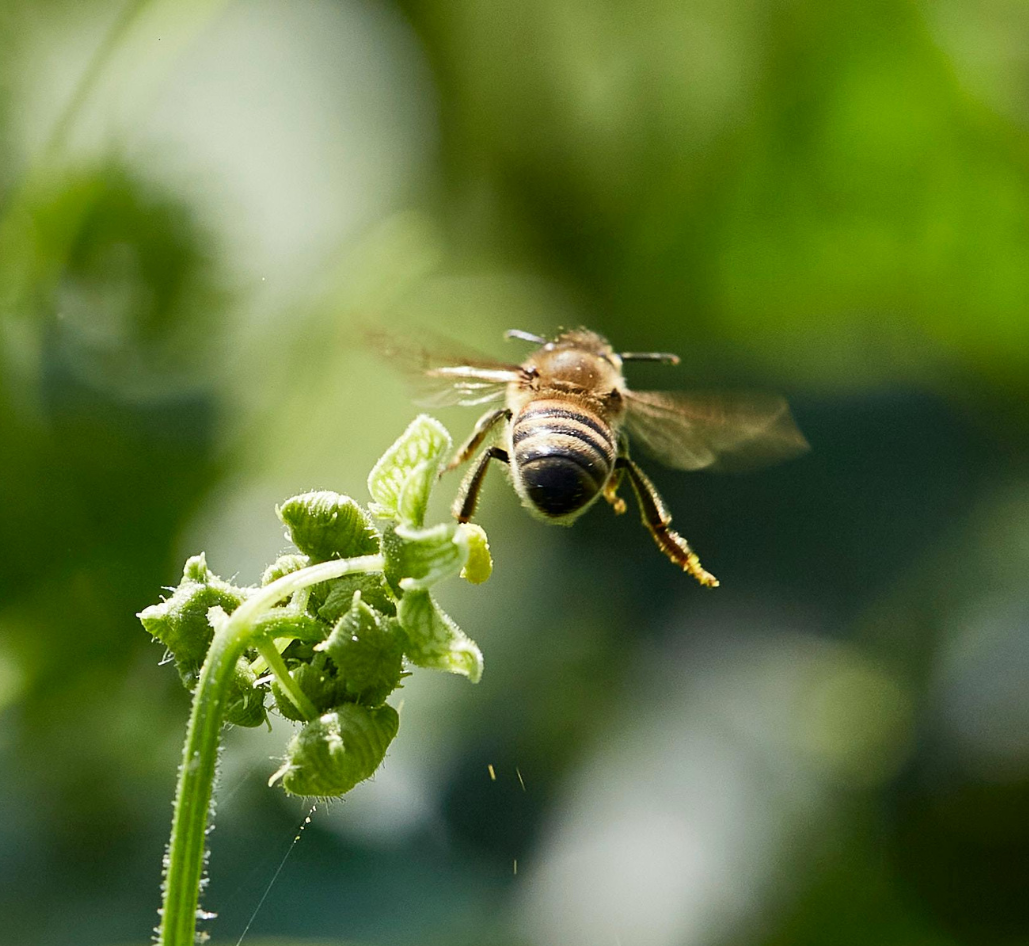
Should Bees Be Able To Fly?
From helicopter-like flight to facial recognition and natural antibiotics, bees are far more than simple pollinators. This fascinating dive into bee biology reveals how their unique abilities could influence everything from medicine to technology and why these tiny insects might be some of nature’s greatest innovators.
