
6 AUGUST 2026
Not all bees live in hives. Most bees are wild and at risk from climate change.
In the United Kingdom, we have 270 known species of bees. We know the Apis Mellifera honey bee species is managed for crop pollination. We also know a few bumblebee species. But how familiar are we with the 250+ wild, free-flying native bee species? These include 24 bumblebee and over 200 solitary bee species, and all are key ecosystem pollinators.
We need to focus more on the wild solitary species as new research finds that the severe weather we are now seeing regularly in the UK can seriously undermine wild bee populations with long-term consequences for pollination and human food security.
Solitary bees don’t live in hives and don’t make honey – they are cavity and ground-nesting species– and are more vulnerable to climate change because they live alone and, when temperatures rise, unlike a honey bee colony, they cannot work collectively to regulate the temperature within their nests and protect their eggs or larvae from extremes of heat or cold.
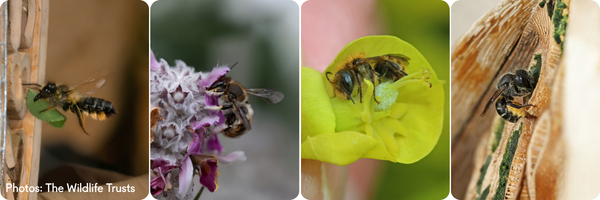
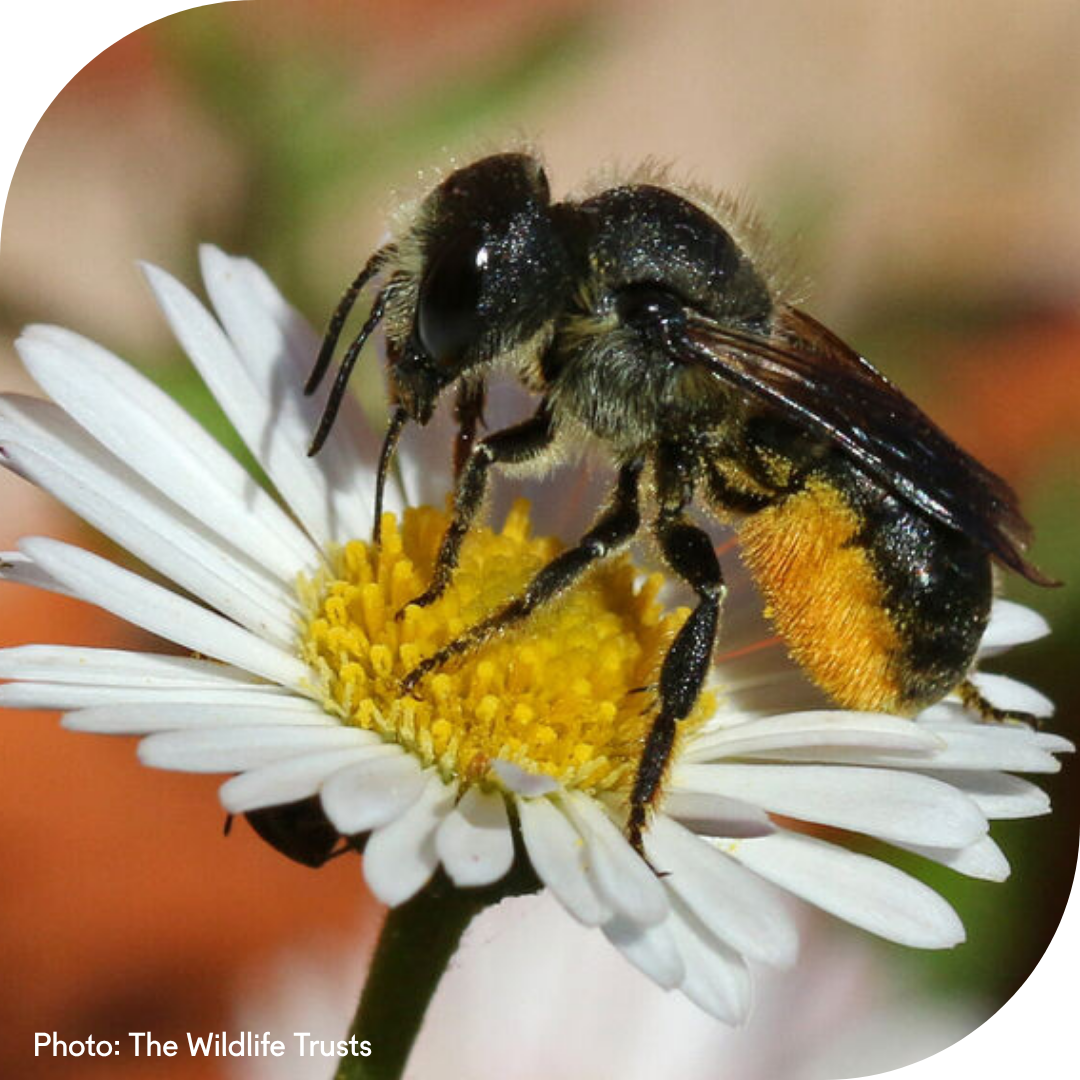
Red Mason bees are one of the solitary bee species found in UK gardens. They are important pollinators of apples and other fruits. A new study at the University of Hull simulated the three-day UK heatwave of July 2022, subjecting a group of developing red mason bee larvae to three days of temperatures peaking daily at 40°C. Simultaneously, another group of researchers conducted a similar study based on 25°C, the normal July temperature for Hull. Both groups of larvae were treated identically and when they emerged as bees, the heatwave seemed to have had no effect on them. But when the Red Mason bees’ reproductive health was studied, it showed that the heatwave had destroyed fertility in males, and in females there was a 15% reduction in both the size and the number of developing eggs.
The finding suggests that solitary bee populations are far more sensitive to weather extremes than was previously thought. A heatwave in one year could lead to a drastic drop in solitary bee populations in the following year and affect pollination for key crops like apples, cherries and oilseed rape.
All bee species are suffering from pesticides, diseases, nutritional stress and loss of habitat and now the predicted changes in global climate are likely to further exacerbate these threats for solitary species.
The discovery of solitary species’ vulnerability to climate change comes at a time when research increasingly shows that wild free-flying bees are better pollinators than honeybees.
The future of Britain’s wild solitary bees will depend not only on limiting climate change, but also on restoring the habitats that sustain them – wildflower meadows, flowering hedgerows, healthy woodlands and gardens rich in nectar and pollen. These landscapes do more than support wildlife. They safeguard the intricate relationships upon which both nature and human society depend.
Read More here.
FACT SHEET
UK’s wild bee species that quietly do most of the heavy lifting when it comes to pollination. From solitary bees in our gardens to bumblebees in the countryside, these often-overlooked species are essential to our ecosystems and food systems.
Yet, new research reveals they are increasingly vulnerable to climate extremes. Here are three critical reasons why wild bees deserve far more attention.
Thought for the Day
“If we lose the wild bees that quietly sustain our flowers, orchards and harvests, we lose far more than insects – we lose part of the living world that sustains us all.”
– Sabiha Rumani Malik, Founder, The World Bee Project
Honeybees vs Hornets
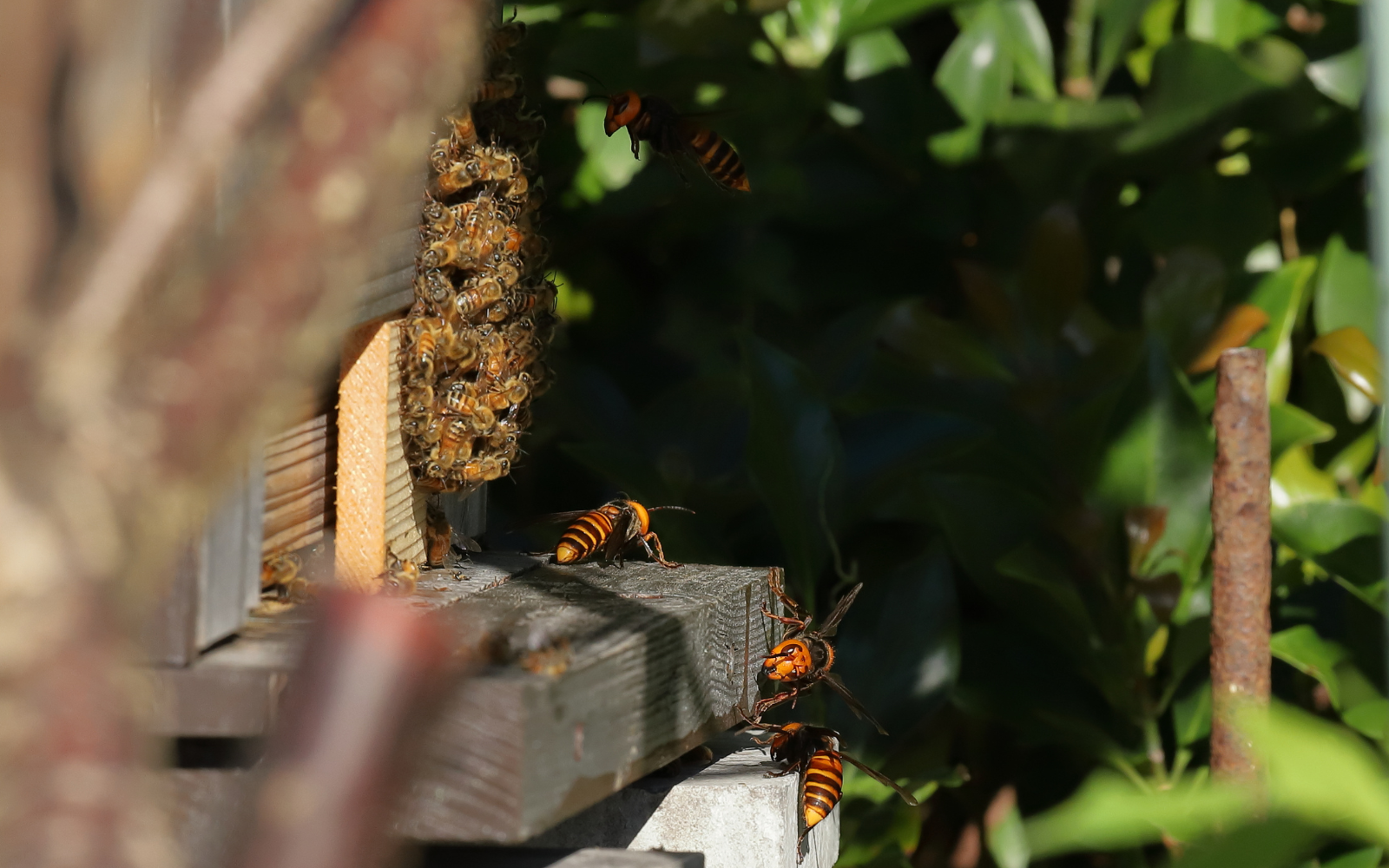
Hornets are larger, stronger, and deadly to honeybees, but the hive is far from defenceless. Discover how these tiny insects fight back against their greatest enemy and why the rise of invasive hornets in Europe is putting honeybees at risk.
