
by Ramesh Karki | Nov 2, 2026 | World Bee Journal
5 NOVEMBER 2026 All the plants around us are related to each other. From tiny wildflowers to towering tropical trees, every plant has an evolutionary story to tell. But how can we uncover these relationships across millions of years? The Royal Botanic Gardens, Kew, is...

by Ramesh Karki | Oct 8, 2026 | World Bee Journal
1 OCTOBER 2026 For more than a century, honeybees have dominated research into bee vision, but some of the most impressive bee eyes belong to pollinator species most of us have never heard of. A new study by researchers at Lund University, Sweden, found that several...

by Ramesh Karki | Sep 6, 2026 | World Bee Journal
3 SEPTEMBER 2026 The real challenge isn’t growing more food – it’s restoring moisture to degraded soil so it can grow food again. Soil is a living system that supports a diverse ecosystem of micro-organisms, nutrients, and organic matter. Soil organisms...
by Ramesh Karki | Aug 7, 2026 | World Bee Journal
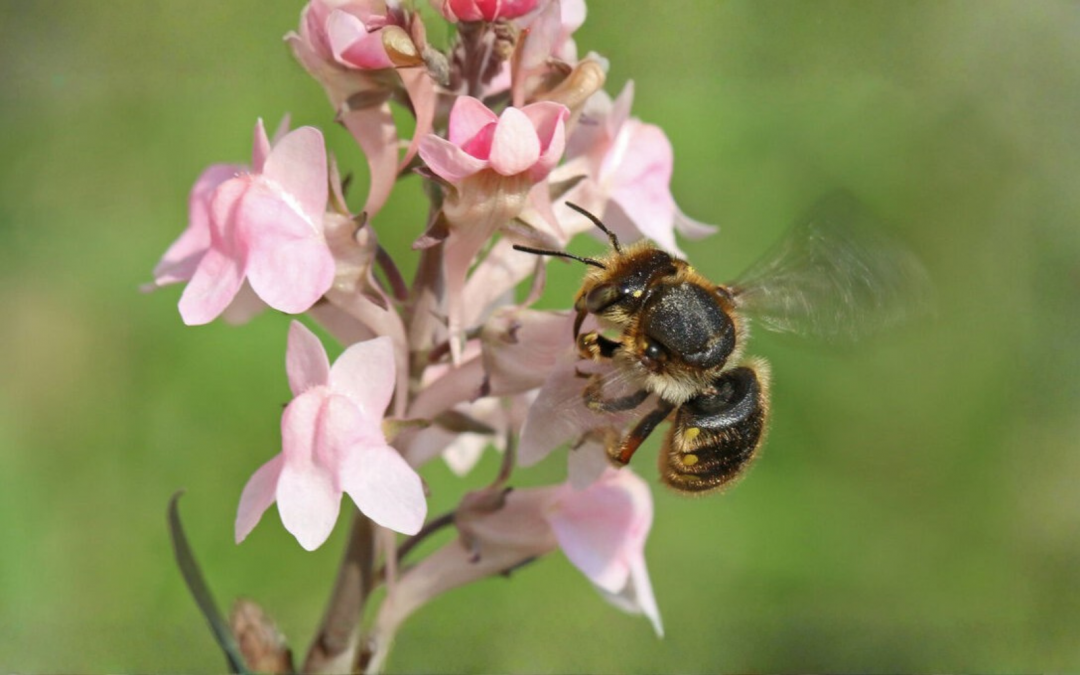
6 AUGUST 2026 Not all bees live in hives. Most bees are wild and at risk from climate change. In the United Kingdom, we have 270 known species of bees. We know the Apis Mellifera honey bee species is managed for crop pollination. We also know a few bumblebee...
by Ramesh Karki | Jul 3, 2026 | World Bee Journal
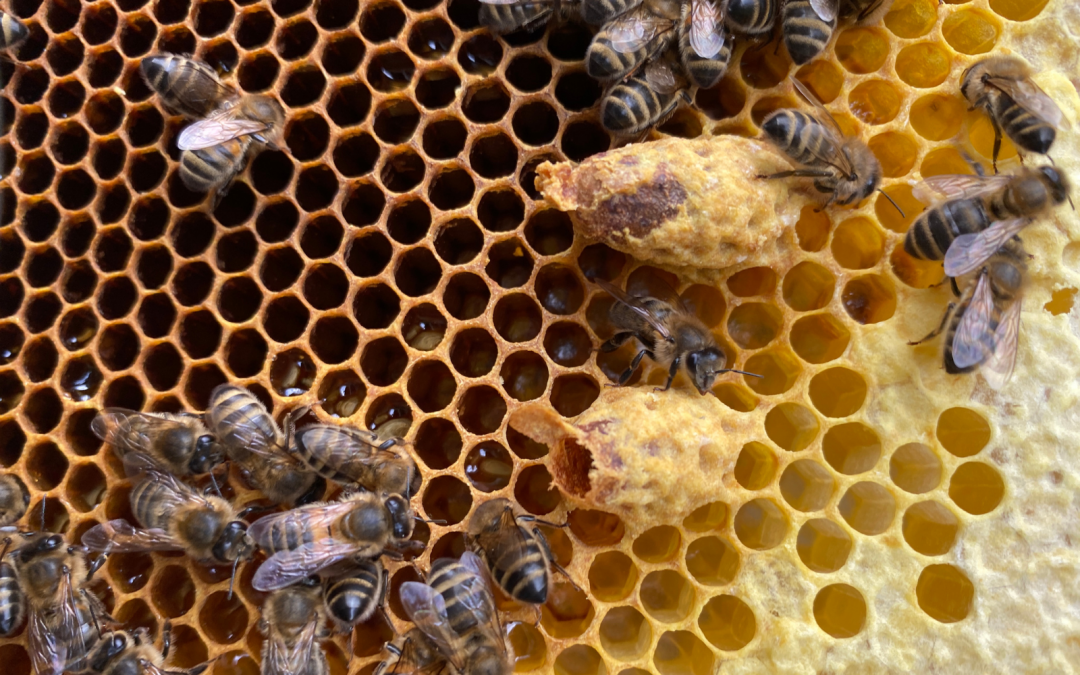
2 JULY 2026 Contrary to general belief, honeybees don’t make a queen bee by merely feeding royal jelly to an ordinary larva. The design of the larva’s cell plays a critical role in shaping the larva’s development into a queen bee. For generations, biology textbooks...
