
7 MAY 2026
In dry, dusty, nutrient-poor ecosystems, the leaves of certain plants absorb nutrients from dust that lands on their surface, reports the New Phytologist.
Plants cannot move, so we tend to think of plants extracting everything they need from the soil they are growing in. But what if part of their diet actually comes from the sky? Recent research reveals that some plants don’t just rely on their roots. Their leaves feed on dust particles.
Farmers have long known that spraying nutrients directly onto leaves works. But in the wild, some plants may already be doing something similar – naturally. In dusty environments, airborne dust particles settle on leaves. Instead of letting that dust sit idle, certain plants absorb nutrients in the dust directly through their leaf surfaces. It’s a clever strategy, especially in places where the soil is poor or depleted.
To test this idea, scientists selected three widespread Mediterranean perennial shrubs, Cistus creticus L., Salvia fruticosa Mill., and Teucrium capitatum L.
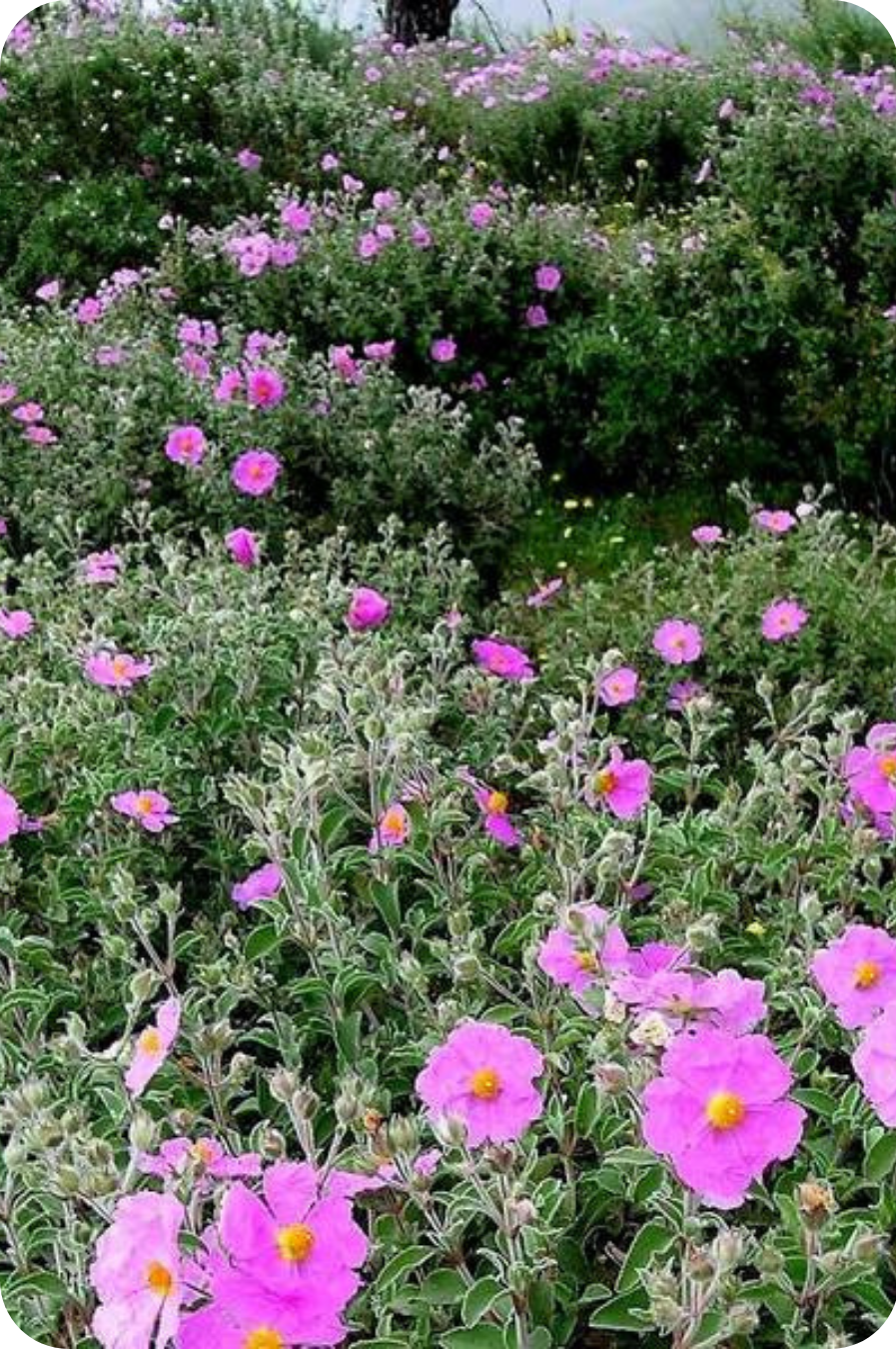
Cistus Creticus L. or Rock Rose
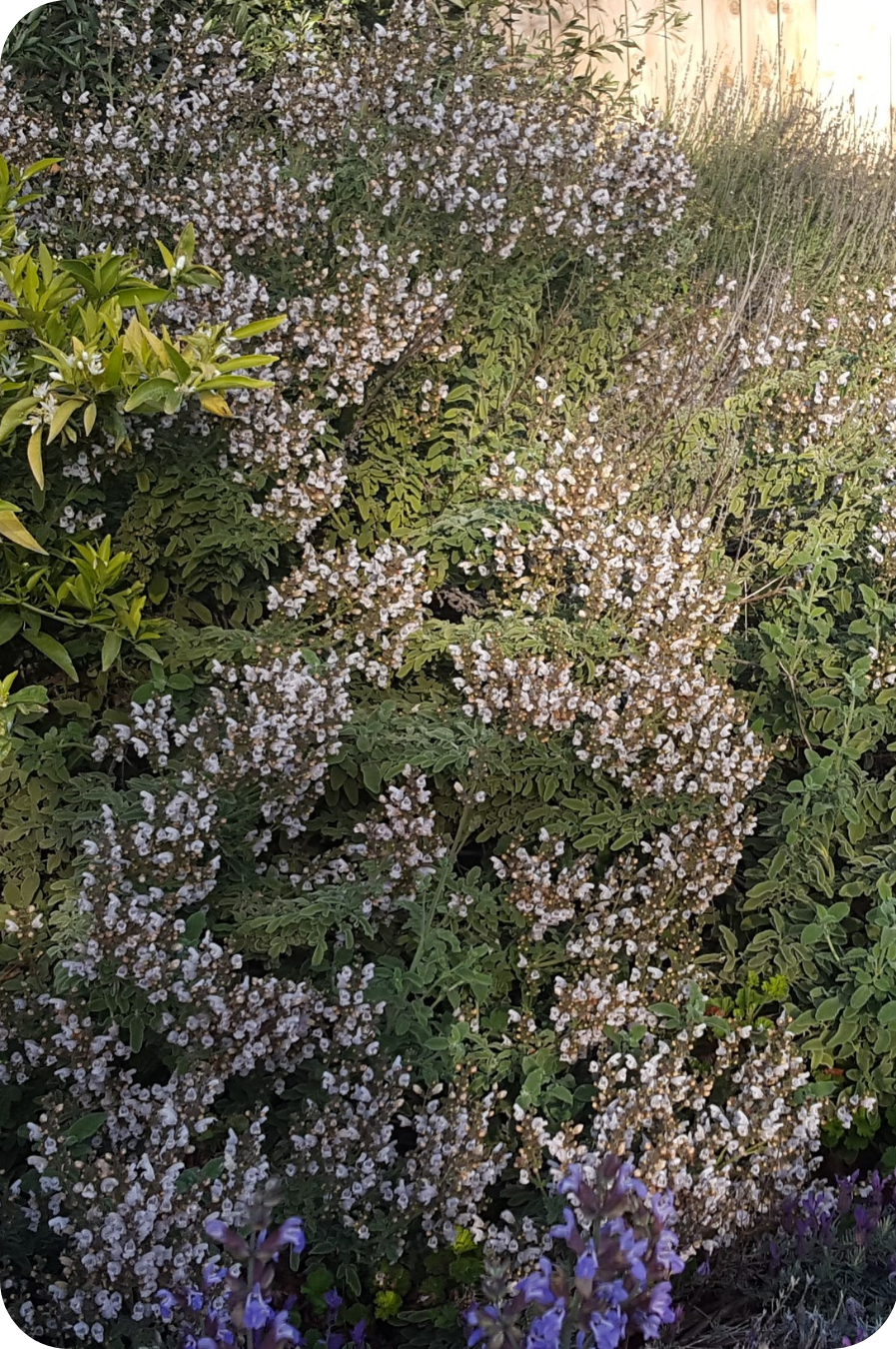
Salvia Fruticosa Mill. or Greek Sage
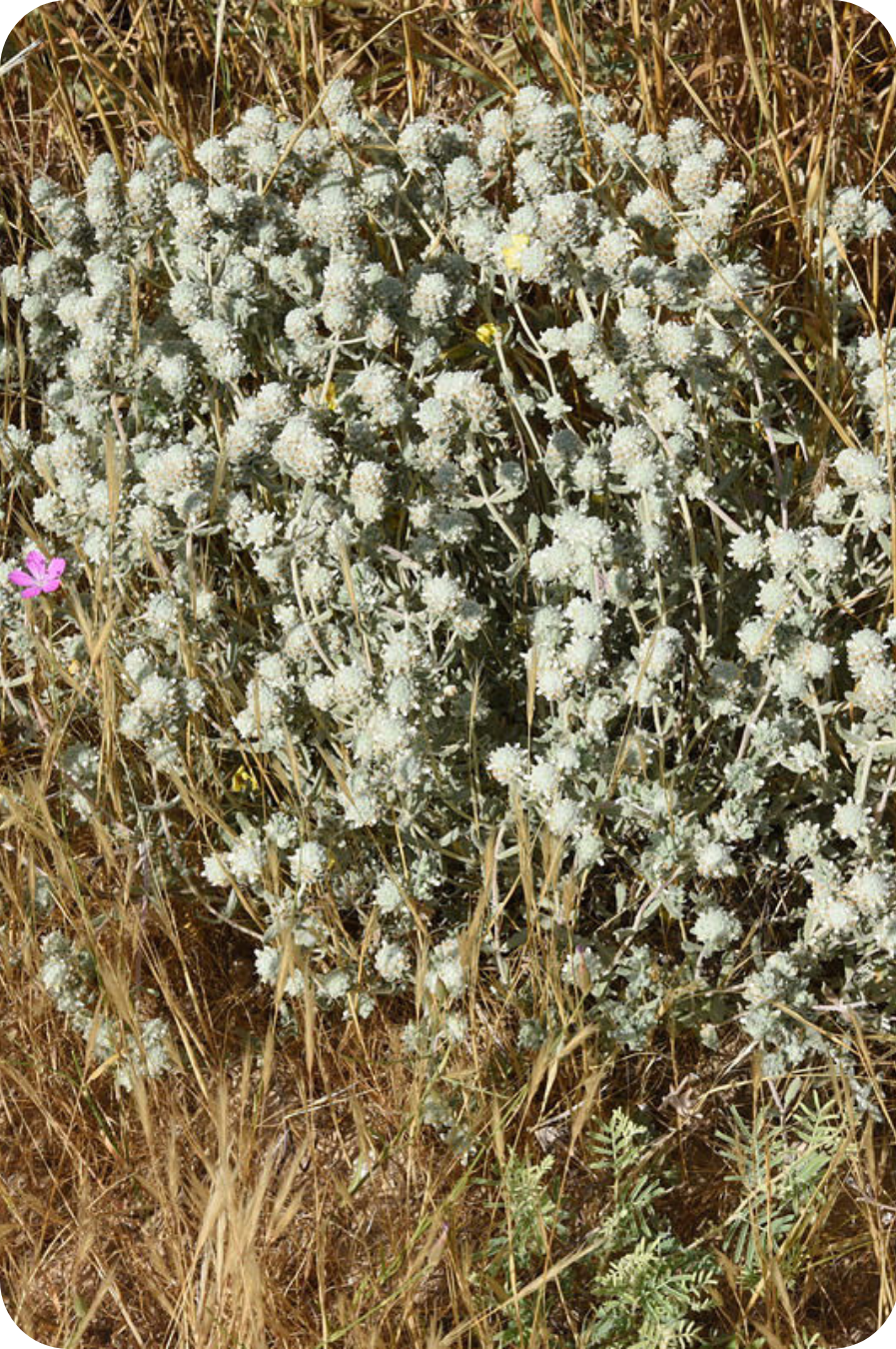
Teucrium Capitatum L. or Headed Germander
These three hardy plant species are native to the eastern Mediterranean, and are especially abundant in Palestine, Lebanon, and in the Judean foothills in Israel – regions frequented by desert dust storms. The researchers applied nutrient-rich volcanic dust to the three selected plant species in the Judean Hills and left others untouched. Why volcanic dust? Its unique chemical “fingerprint” allowed researchers to trace exactly where the nutrients came from.
The result revealed that dusted plants showed a noticeable boost in key micronutrients like iron, manganese, and copper.
We might expect roots to still do most of the work but in soil, nutrients face fierce competition – microbes and minerals often ‘lock’ nutrients away before roots can absorb them. On leaves, there’s far less competition. Plants even secrete organic acids on their leaf surfaces, helping dissolve nutrients from dust.
In other words, leaves can act like efficient nutrient catchers – especially when the soil is depleted. This isn’t just a quirky survival trick. The researchers found that dust could be a major nutrient source. By combining similar data from other regions, they estimate:
- Up to 17% of iron in some U.S. ecosystems may come from foliar (leaf) uptake
- Around 12% of phosphorus in the Amazon could arrive the same way
- During major dust storms, airborne nutrients might even rival – or exceed – what the soil provides.
It’s a quiet reminder that ecosystems are more interconnected than they seem. Even a grain of dust drifting across continents can end up feeding life in unexpected ways.
Read the full report here.
FACT SHEET
When we think about how plants get their nutrients, roots usually take center stage. But beneath the surface of what we’ve been taught lies a surprising truth—leaves are doing far more than just photosynthesis.
From absorbing essential nutrients in the air to making the most of unexpected sources like dust, plants have evolved clever ways to nourish themselves. In fact, in some cases, leaves can even outperform roots. Here’s how.
Thought for the Day
“Sometimes, what we need isn’t where we expect it to be – it is already around us.”
– Sabiha Rumani Malik, Founder, The World Bee Project
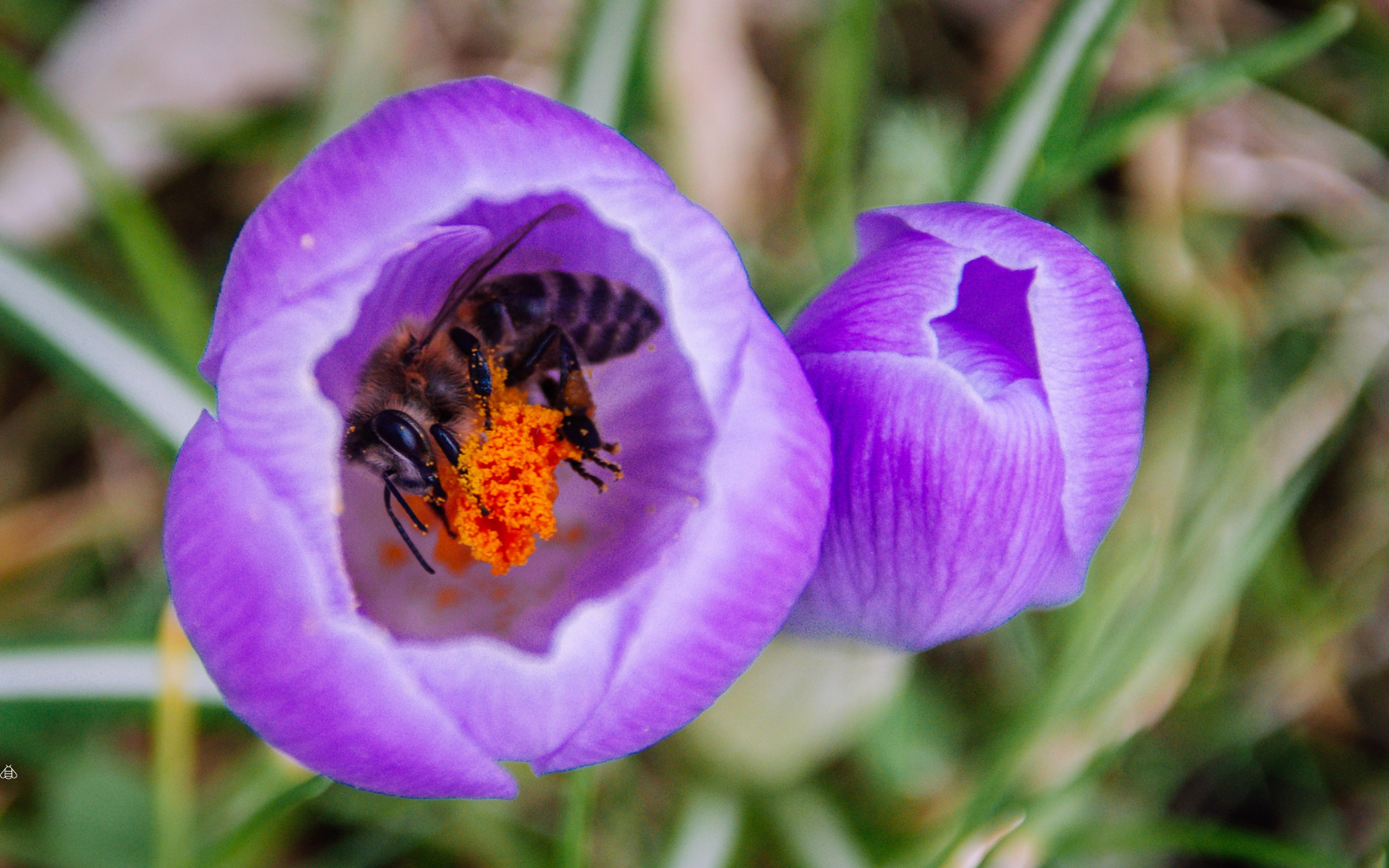
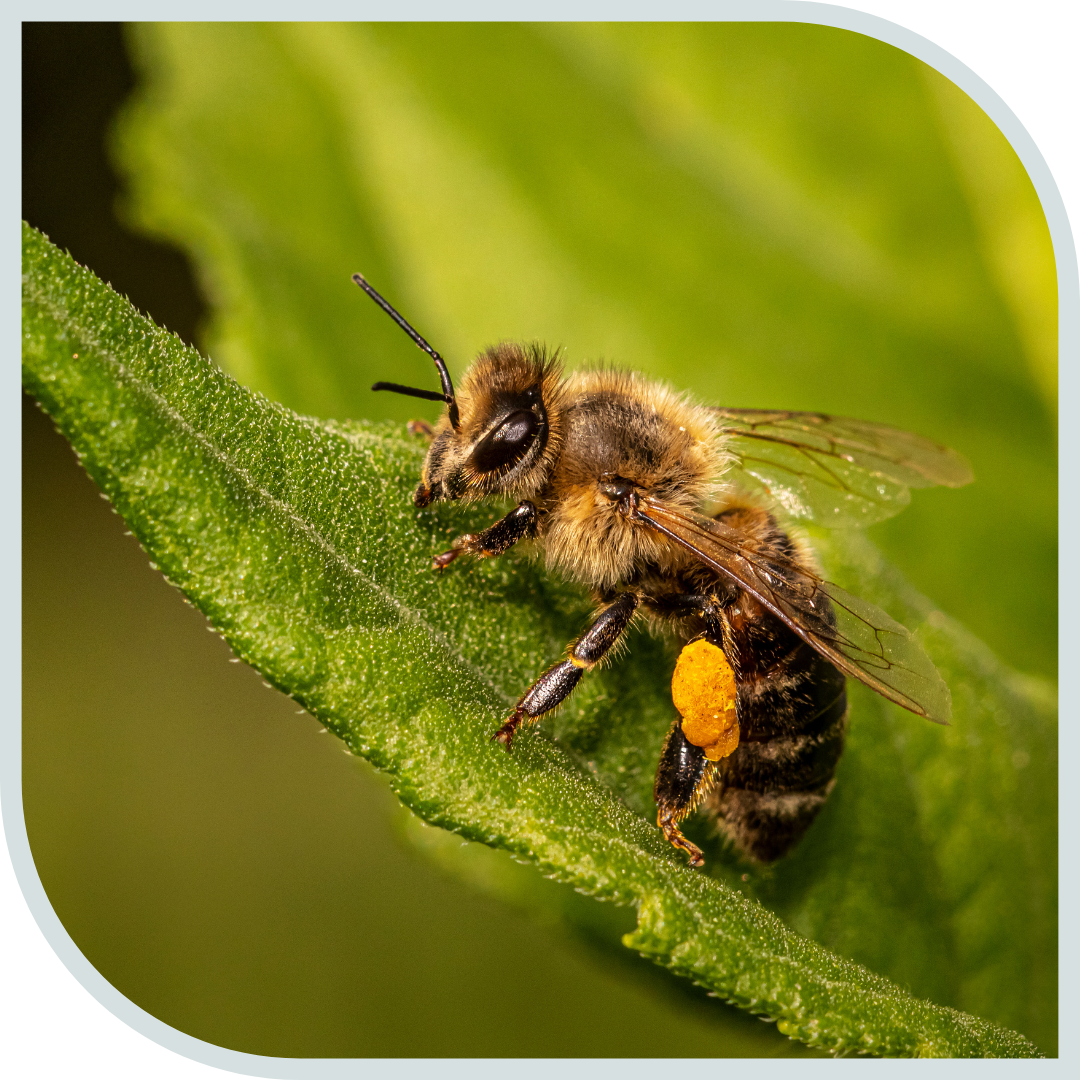
Do bees sleep?
Bees don’t have eyelids, but they definitely sleep, sometimes even holding onto each other to avoid falling off the honeycomb. Their sleep plays a key role in memory, navigation, and even learning.
