by Ramesh Karki | Aug 7, 2026 | World Bee Journal
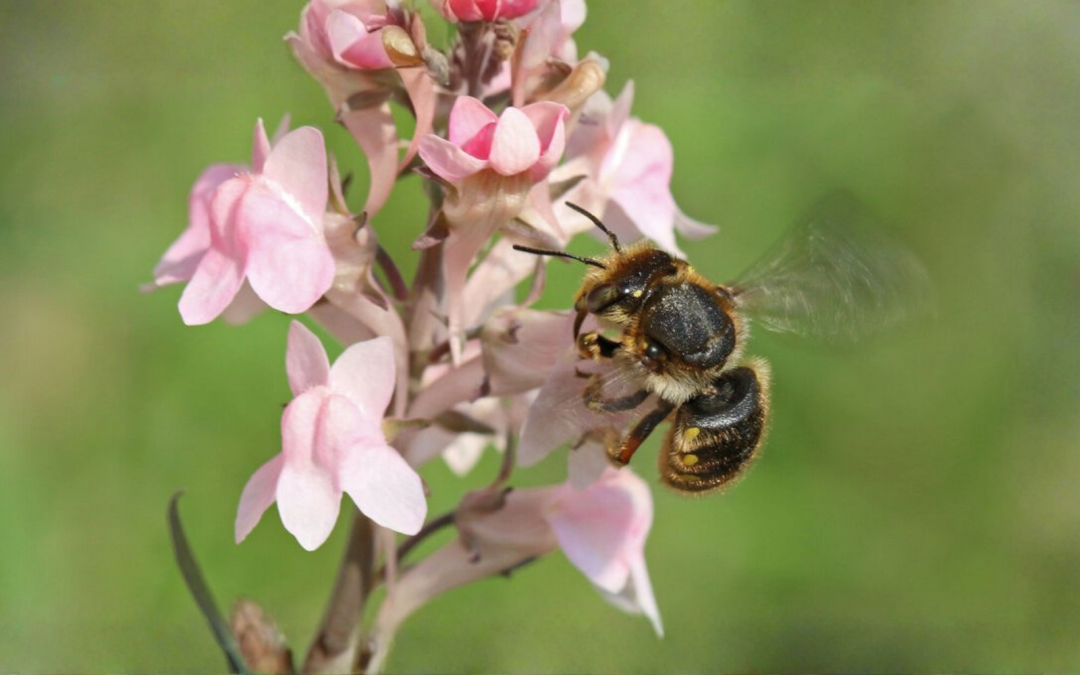
6 AUGUST 2026 Not all bees live in hives. Most bees are wild and at risk from climate change. In the United Kingdom, we have 270 known species of bees. We know the Apis Mellifera honey bee species is managed for crop pollination. We also know a few bumblebee...
by Ramesh Karki | Jul 3, 2026 | World Bee Journal
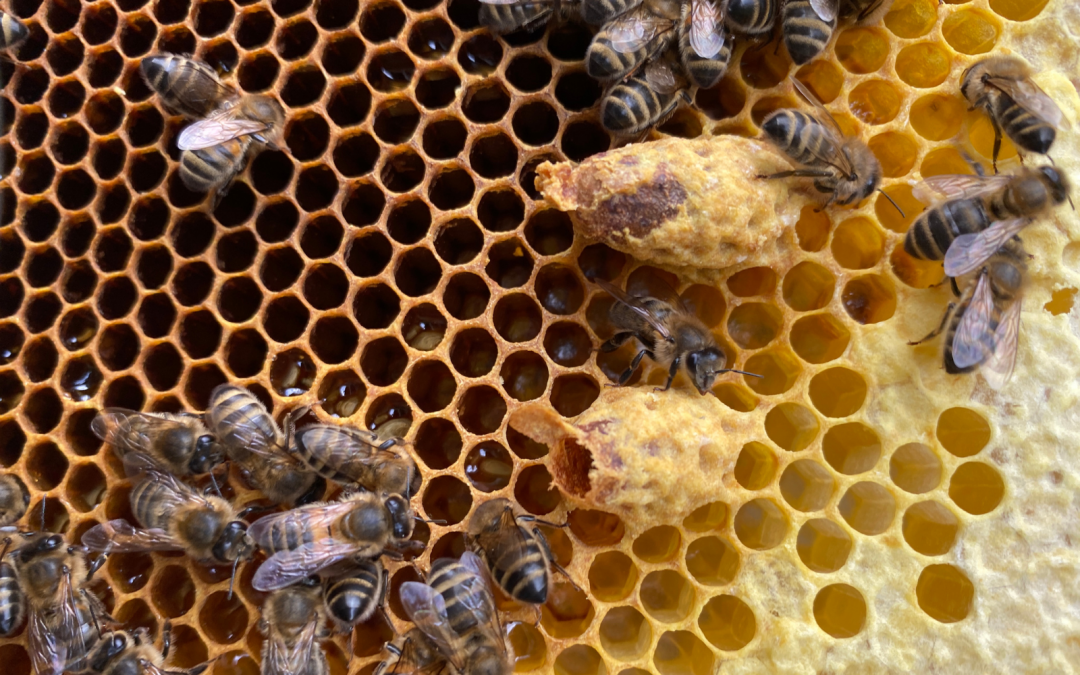
2 JULY 2026 Contrary to general belief, honeybees don’t make a queen bee by merely feeding royal jelly to an ordinary larva. The design of the larva’s cell plays a critical role in shaping the larva’s development into a queen bee. For generations, biology textbooks...
by Ramesh Karki | Jun 5, 2026 | World Bee Journal
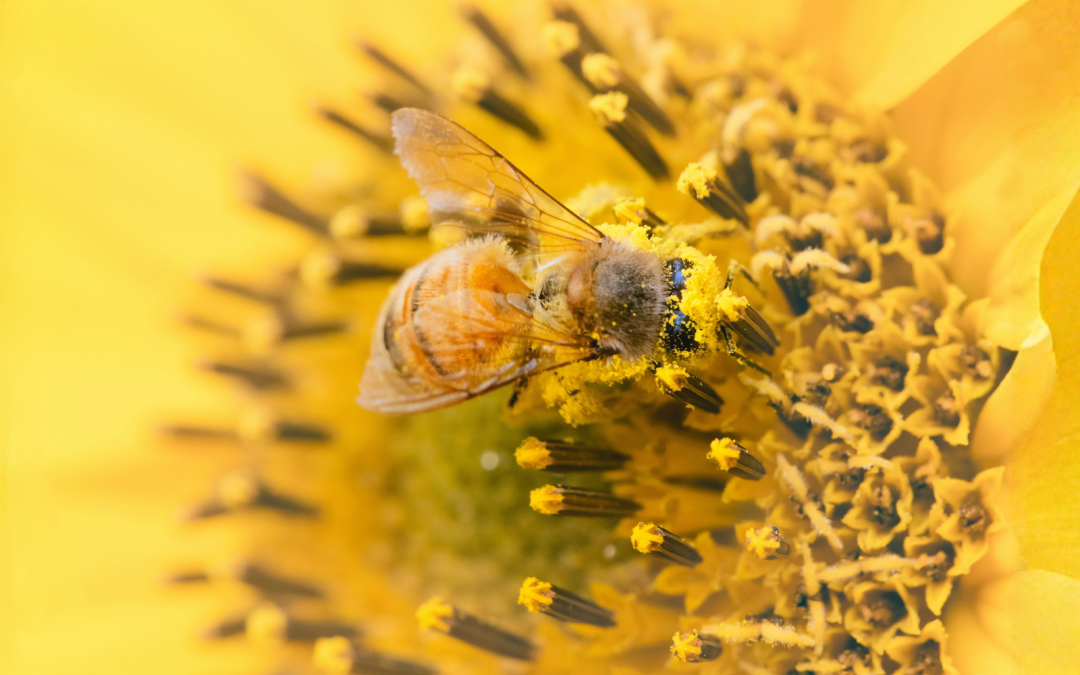
4 JUNE 2026 Honey bees make honey from nectar and pollen as food and medicine for themselves, and to help the entire bee colony survive the long, cold winters when there are no flowers. Honey bees emerged as a species around 120 million years ago during an...
by Ramesh Karki | May 8, 2026 | World Bee Journal
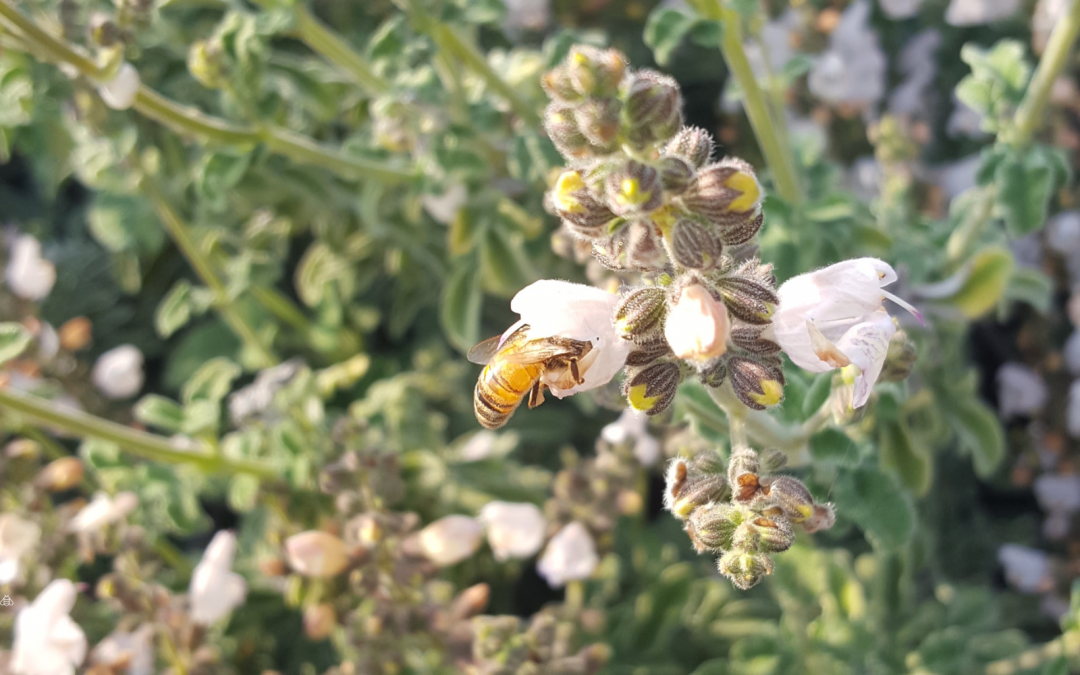
7 MAY 2026 In dry, dusty, nutrient-poor ecosystems, the leaves of certain plants absorb nutrients from dust that lands on their surface, reports the New Phytologist. Plants cannot move, so we tend to think of plants extracting everything they need from the soil they...
by Ramesh Karki | Jul 24, 2026 | World Bee Journal
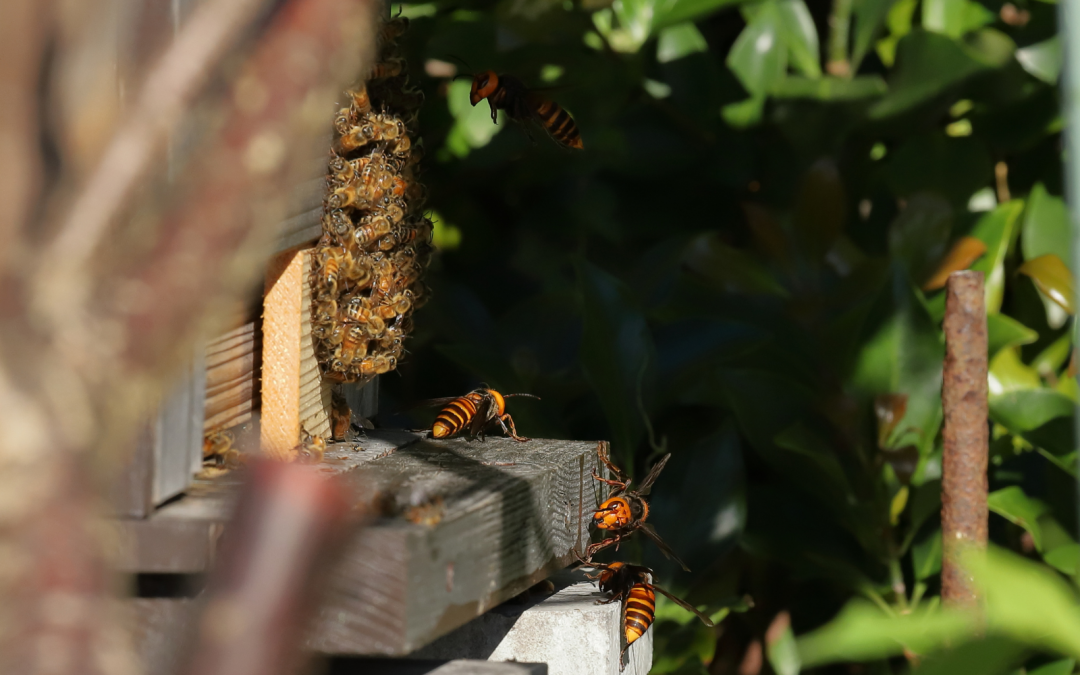
Hornets are typically at least 4 times the size of a honeybee and have a tough exoskeleton, which can’t be penetrated by the bee’s sting, so when it comes to a straight fight, there is only going to be one winner. Hornets will often hover outside a beehive and pick...
by Ramesh Karki | Jun 26, 2026 | World Bee Journal
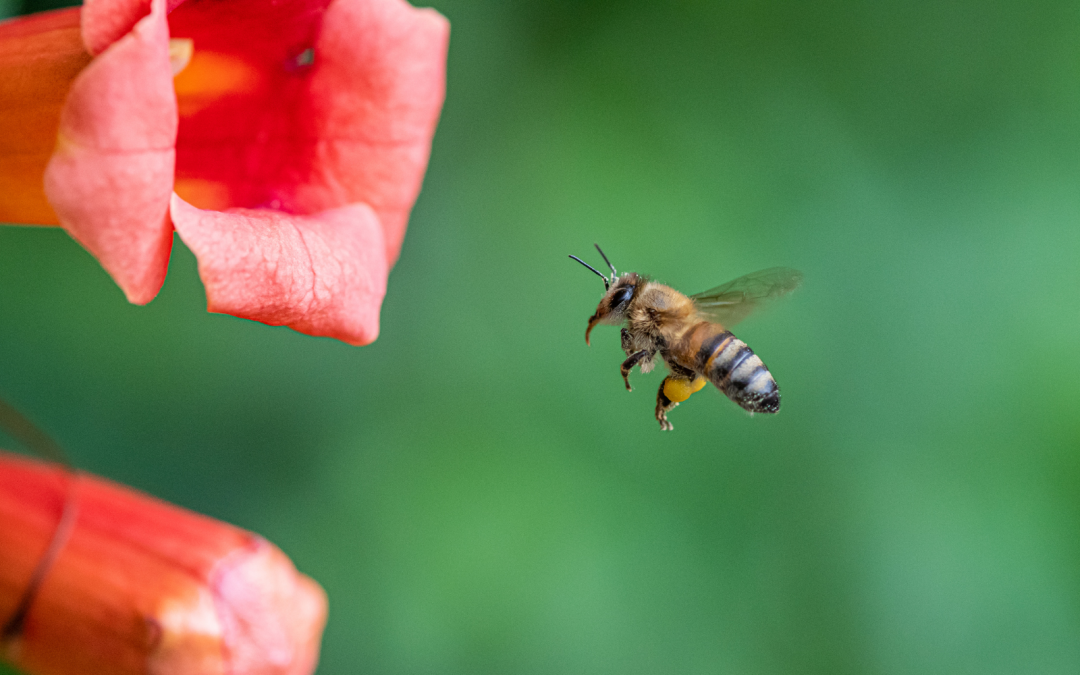
There has been quite a bit of research on monitoring bee flight patterns, as this could help us learn more about potential negative impacts on bee activity, such as traffic or pesticide use. It might also help us learn more about how a bee is able to navigate, fly,...
