by Martin Lewis | Jun 11, 2023 | World Bee Journal
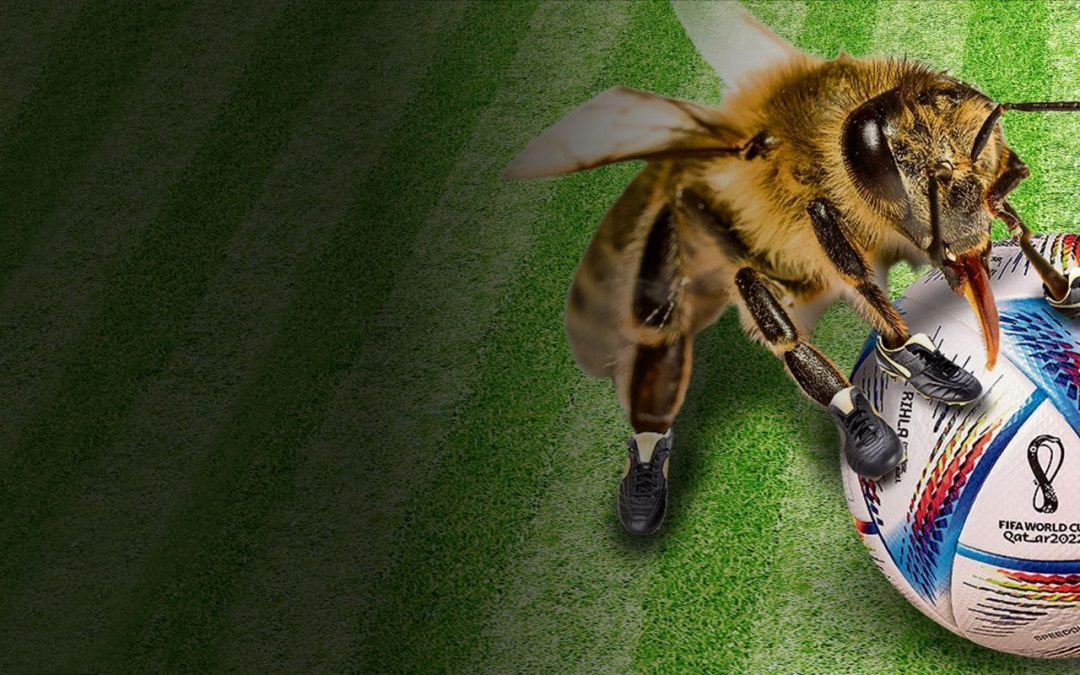
The bee’s ability to grasp this novel task is a big score for insect intelligence, demonstrating that they’re even more complex thinkers than we thought. Moreover, they did it all not just despite their tiny brains—but because of them. A group of...

by Martin Lewis | Jun 9, 2023 | World Bee Journal
Bees and other pollinators have been around for millions of years, providing us with food and nutrition and vibrantly maintaining biodiversity in ecosystems across our planet. We all know about honeybees, but we also have over 20,000 species of wild bees, as well as...
by Martin Lewis | Jun 8, 2023 | World Bee Journal
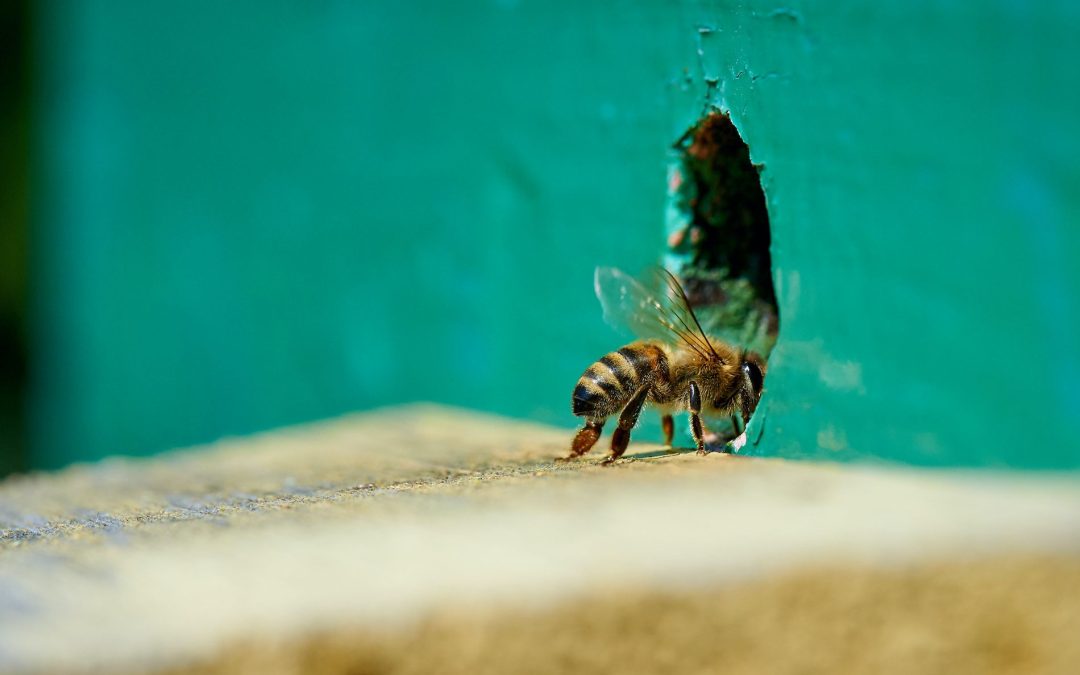
In order to help study bees, scientists decided they first needed to train them, and the best way to train a bee is to give it sugar every time it does something right, and give it nothing when it gets it wrong. It’s a bit like parenting in the 1950s. So for example,...

by Martin Lewis | Jun 7, 2023 | World Bee Journal
The Global Assessment of Nature Report draws on 15,000 reference materials and has been compiled by the Intergovernmental Science-Policy Platform on Biodiversity and Ecosystem Services (IPBES). This article draws from a number of the topics in this report. Our lives...
by Martin Lewis | Jun 6, 2023 | World Bee Journal
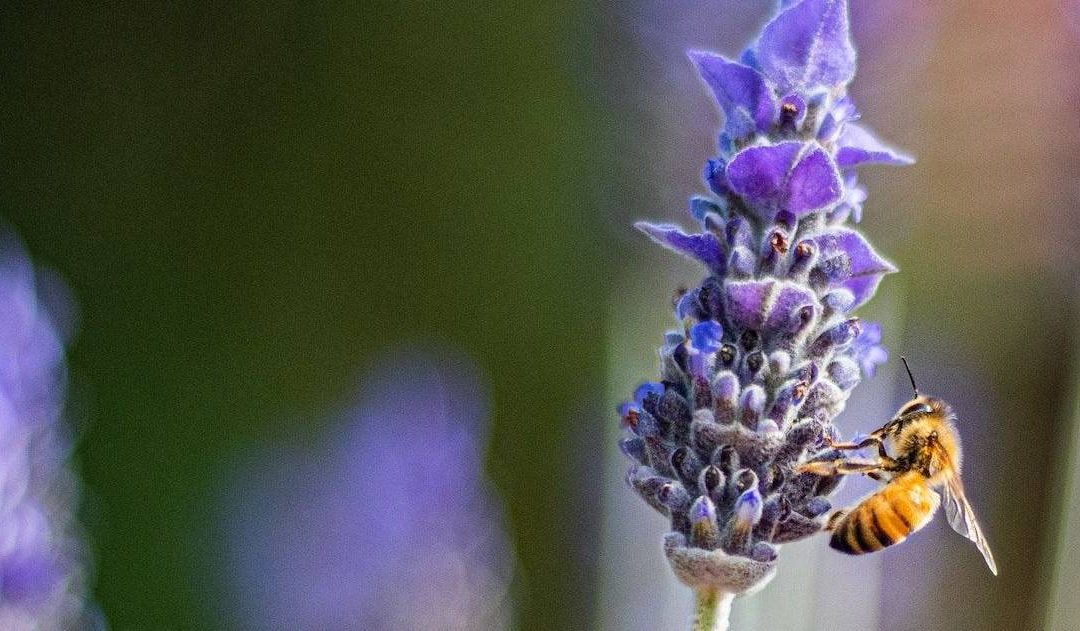
Bees fly at about 15mph, so how can they find flowers when flying so quickly? It turns out that bee vision works about 5 times faster than human vision and is one of the fastest in the animal kingdom. So if a bee went to the cinema they would see the movie as a series...
by Martin Lewis | Jun 4, 2023 | World Bee Journal
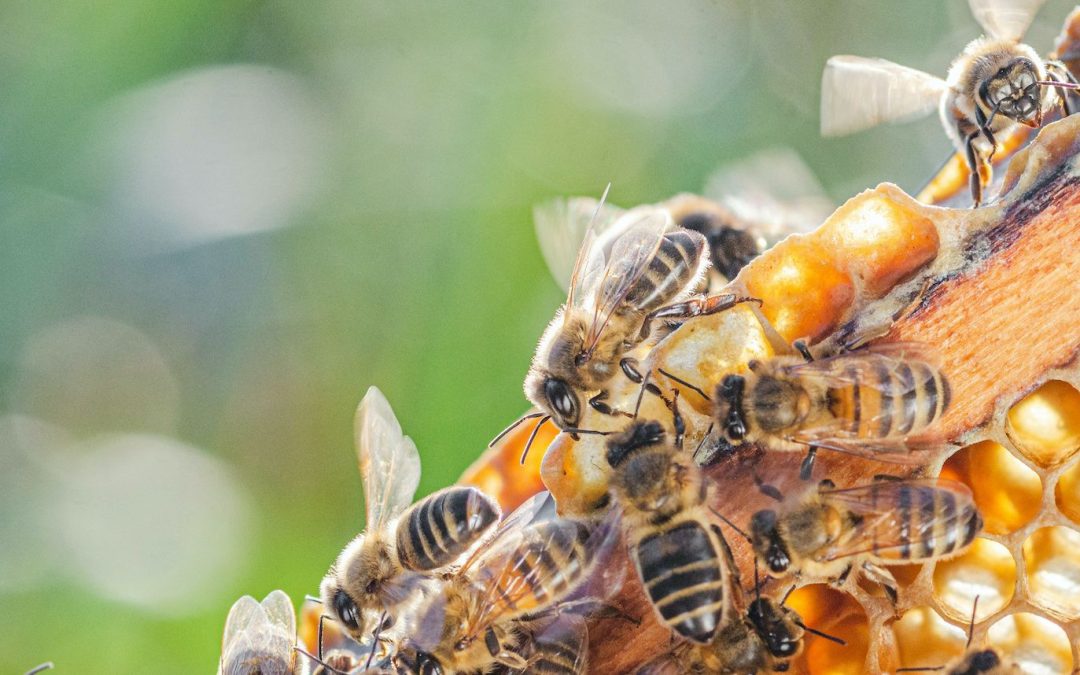
Collective decisions are essential to the survival of a honeybee colony because no individual bee succeeds unless the whole colony survives and reproduces. When house hunting, worker honeybees, show us solutions to the dilemma of how to make effective decisions as a...
