by Martin Lewis | Jun 13, 2023 | World Bee Journal
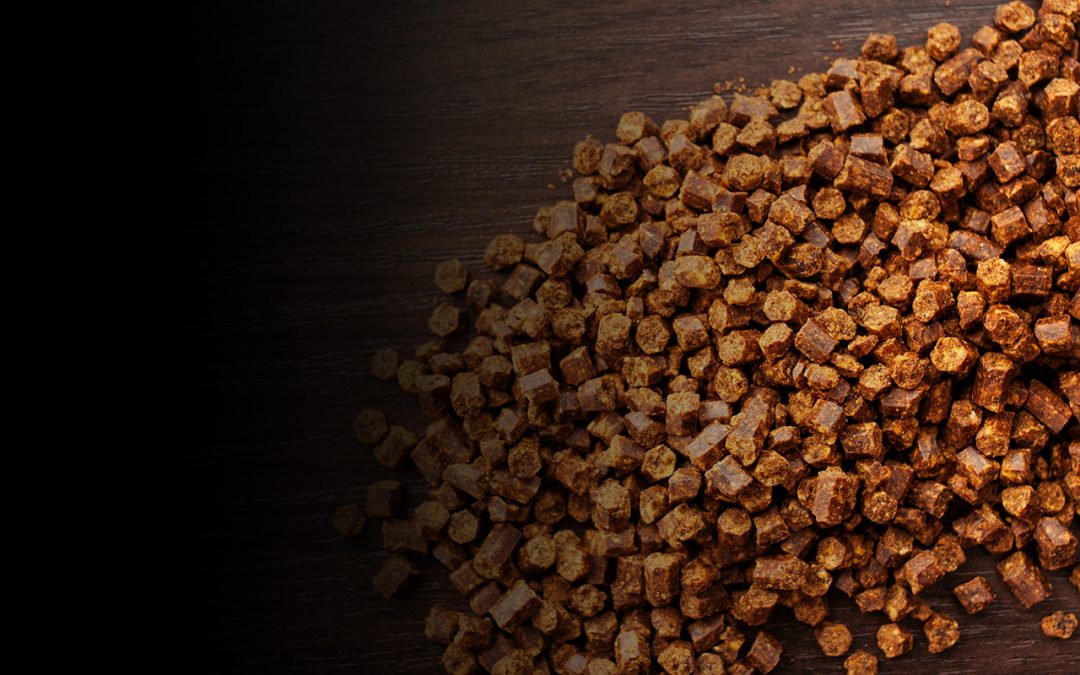
Did humans copy the idea of baking bread from honeybees? Humans have been making bread for at least 20,000 years, and this date is based on the age of barley grains found embedded in grinding stones. Apparently, bread was one of the fundamental building blocks of...
by Martin Lewis | Jun 12, 2023 | World Bee Journal
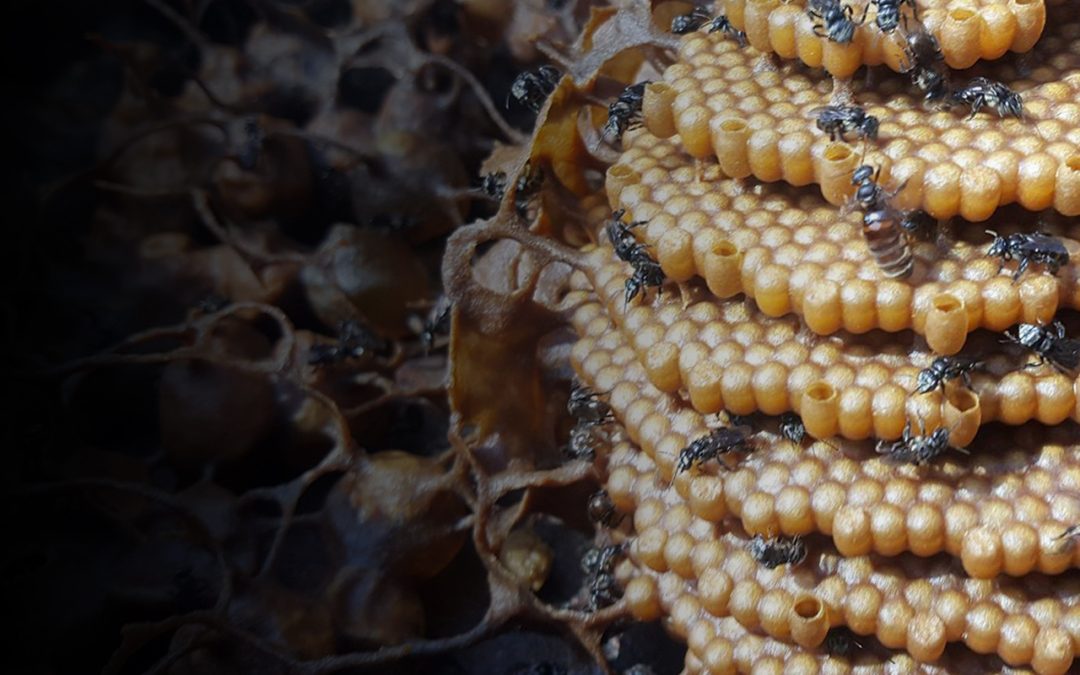
Bees at war The Australian stingless bee Tetragonula Carbonaria is one of only 500 bee species that lack a sting – but that doesn’t deter their colonies from waging territorial wars against their neighbours, resulting in hundreds of casualties and murdered...
by Martin Lewis | Jun 11, 2023 | World Bee Journal
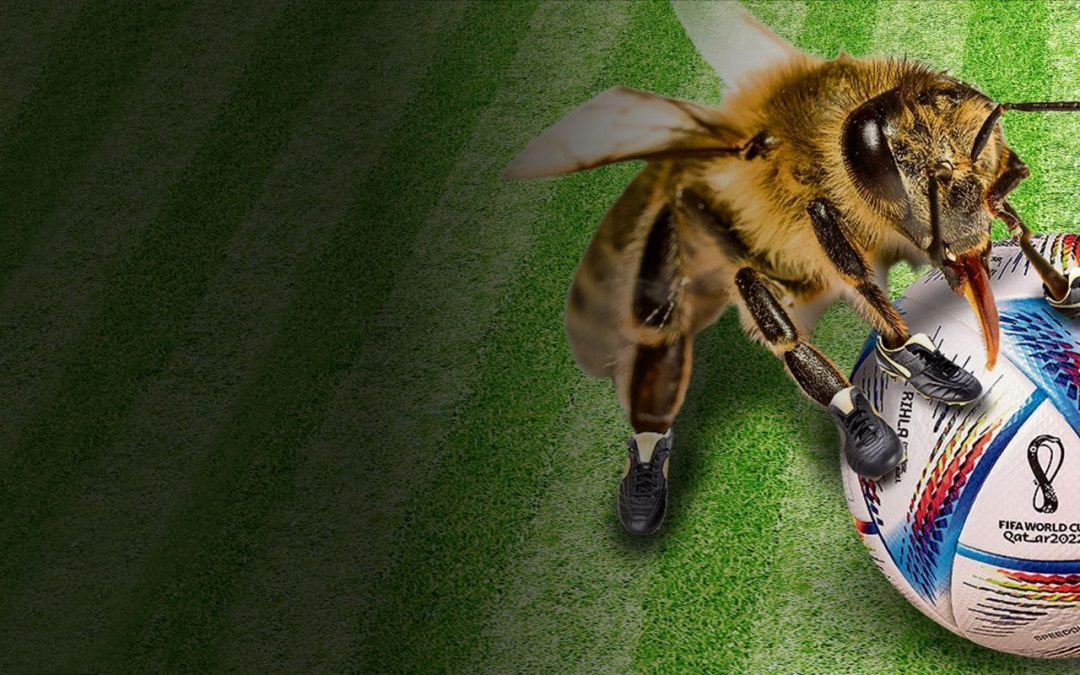
The bee’s ability to grasp this novel task is a big score for insect intelligence, demonstrating that they’re even more complex thinkers than we thought. Moreover, they did it all not just despite their tiny brains—but because of them. A group of...
by Martin Lewis | Jun 9, 2023 | World Bee Journal
Bees and other pollinators have been around for millions of years, providing us with food and nutrition and vibrantly maintaining biodiversity in ecosystems across our planet. We all know about honeybees, but we also have over 20,000 species of wild bees, as well as...
by Martin Lewis | Jun 8, 2023 | World Bee Journal
In order to help study bees, scientists decided they first needed to train them, and the best way to train a bee is to give it sugar every time it does something right, and give it nothing when it gets it wrong. It’s a bit like parenting in the 1950s. So for example,...
