
5 FEBRUARY 2026
We often frame climate impacts in terms of whether regions will become wetter or drier. New research suggests that the question misses the point. The variability of rainfall patterns we face across most of the planet is a major challenge to life on Earth.
Climate change doesn’t just heat the planet. As greenhouse gases from burning fossil fuels trap heat in the atmosphere, the excess warmth speeds up evaporation by pulling moisture from the land and drying soils, making severe droughts more frequent. And as warmer air holds more water – about 7% more for every degree of global warming- the result is a dangerous paradox: longer dry spells followed by sudden, intense, unexpected rainstorms. Instead of replenishing the soil, the violent downpours rush across hardened ground, stripping away fertile topsoil and threatening human societies in new ways.
A major new study published in Science reveals that human-caused global warming has increased rainfall variability across more than 75% of the world’s land area over the past century. Rather than changing long-term average rainfall, climate change is altering how rain falls. The changes are especially pronounced in Australia, Europe, and eastern North America, and the consequences are becoming impossible to ignore.
Globally, day-to-day rainfall variability has increased by about 1.2% per decade since the early 1900s, with the strongest changes occurring after 1950, the period when greenhouse gas emissions accelerated rapidly.
Variability matters more than averages. Averages can stay the same even as conditions become more volatile, and extremes are difficult to measure consistently over long periods. This new research takes a different approach by focusing entirely on variability – the uneven timing and amount of rainfall. That shift in perspective reveals a clearer and more troubling signal: climate change is already making rainfall patterns more erratic, swinging violently between dry and wet conditions.
Rainfall variability is a threat, whether it shows up as severe droughts or heavy rainfalls, or rapid swings between the two. It has serious implications for societies, ecosystems, and infrastructure – all dependent on relatively stable rainfall patterns. As stable patterns break down, everything from soil and ecosystem health and food production to water management and drainage systems, and weather prediction to human wellbeing is being put under strain.
The new research warns that rainfall variability will continue to increase as long as greenhouse gas emissions rise. Preparing for a future of unpredictable rainfalls means rethinking infrastructure, improving climate resilience, and – most importantly – reducing greenhouse gas emissions to limit further warming.
FACT SHEET
Climate change is not simply shifting regions toward wetter or drier futures.
It is fundamentally altering how rain falls — making patterns more erratic, uneven, and volatile.
This growing variability is emerging as one of the most serious and overlooked climate risks facing societies and ecosystems today.
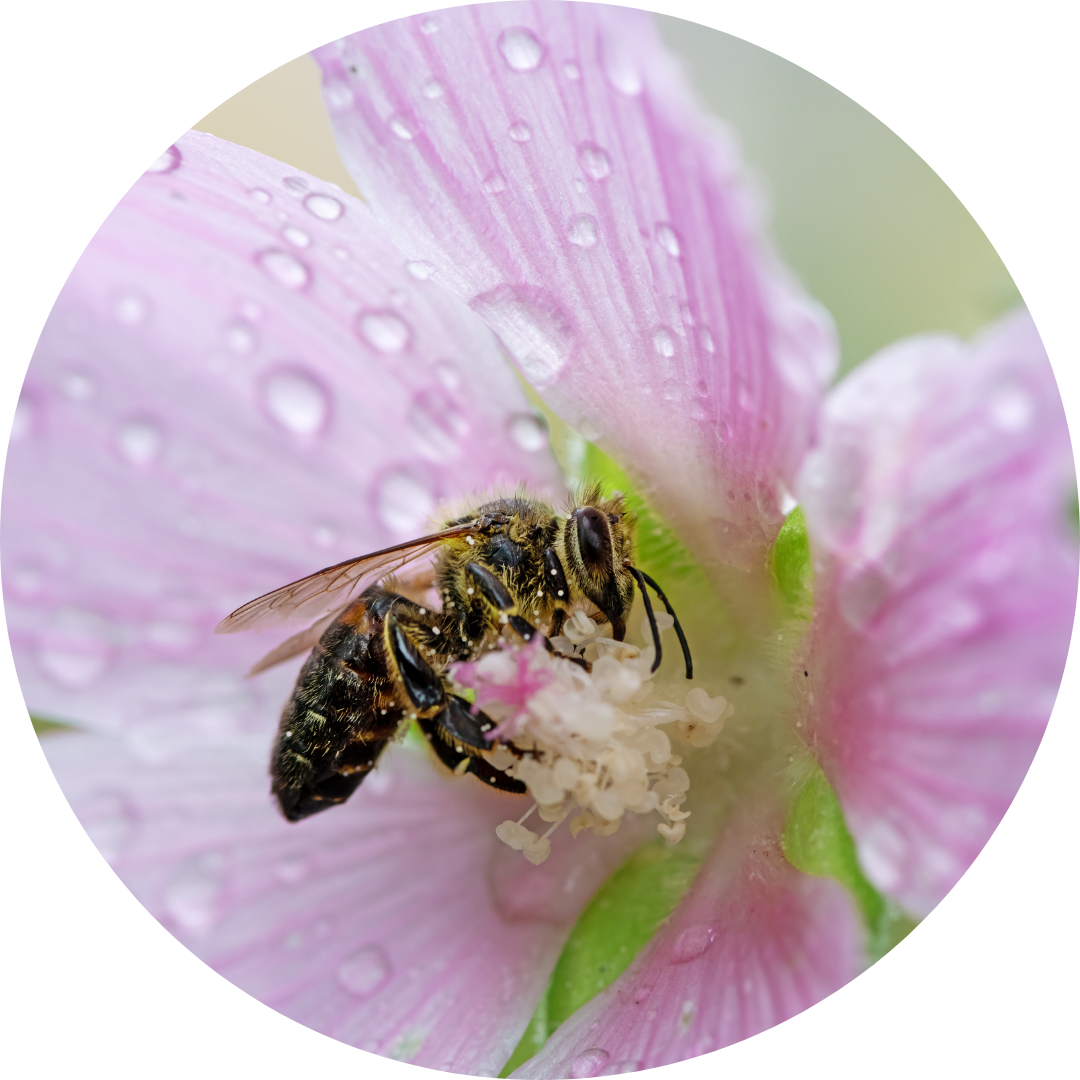
Thought for the Day
“As nature becomes unpredictable, reducing greenhouse gas emissions becomes critical.”
– Sabiha Rumani Malik, Founder, The World Bee Project
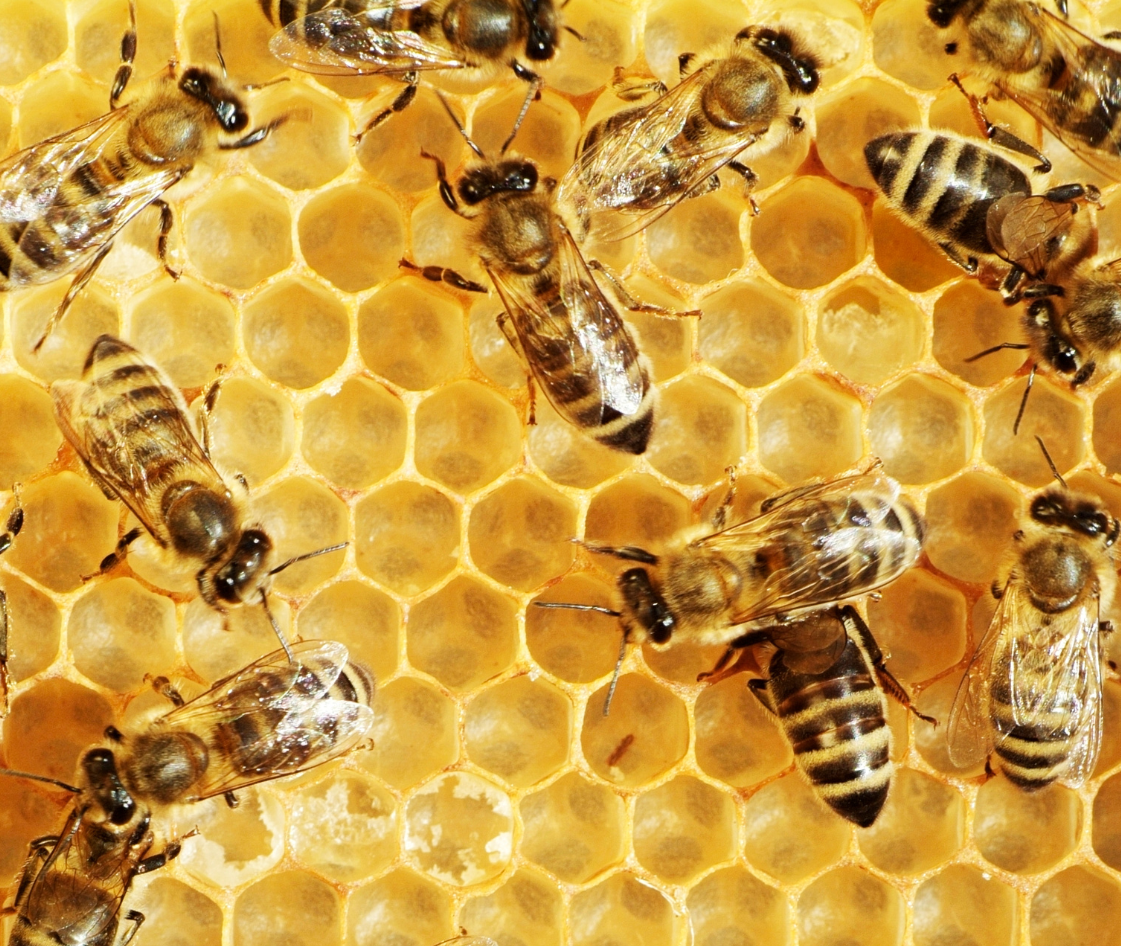
Why Female Bees Do All The Work
Why are all worker bees female and why do male bees seem to do so little? The answer lies in a fascinating genetic system where survival isn’t about strength, it’s a life strategy about evolution, reproduction and kin selection.
